
What Sets Freshly Manufactured Ammunition Apart From Older Stock
Fresh Out of the Plant: Why Factory New Ammo Beats Everything Else
Ever wondered what makes factory new ammo the go-to choice for reliable shooting? It’s simply ammunition manufactured fresh from the box, with every cartridge assembled to exact specs using virgin brass, new primers, and consistent powder loads. That precision means you get dependable ignition, uniform ballistics, and fewer malfunctions right out of the packaging—just load your firearm and shoot with confidence. For clean, consistent performance, factory new ammo takes the guesswork out of every round.
What Sets Freshly Manufactured Ammunition Apart From Older Stock
Freshly manufactured ammo stands apart from older stock primarily because the propellant hasn’t had years to degrade, so you get **consistent velocity and pressure** shot after shot. Old rounds, especially those stored poorly, can suffer from powder breakdown, leading to weak or erratic ignition. Factory new ammo also means fresh primer compounds that ignite reliably, whereas older stock risks hard primers that fail to fire. Plus, new seals and case lubrication mean smoother feeding and extraction, reducing the chance of stuck cases in a hot chamber. With **factory new ammunition**, you’re eliminating variables like corrosion on the casing or bullet setback from rough handling, giving you predictable accuracy right out of the box. It’s simply peace of mind 7mm PRC Ammo for Sale for any shooter.
Key Differences in Primer Sensitivity and Powder Performance
In factory new ammo, primer sensitivity and powder burn consistency are the defining performance edges over older stock. Fresh primers ignite with a crisp, uniform strike, reducing the risk of hang-fires or misfires that older, moisture-aged compounds often exhibit. Likewise, new powder granules retain their original burn-rate chemistry, delivering predictable pressure curves and velocities. Older stock’s powder can degrade, causing erratic ignition or temperature sensitivity shifts. This translates to tighter shot-to-shot groups and dependable cycling. To maximize this advantage:
- Verify your firearm’s .17 HMR Ammo for Sale firing pin spring is strong enough to capitalize on fresh primer sensitivity.
- Chronograph a few rounds from a new batch to confirm velocity consistency.
- Store new ammo in stable temperatures to preserve powder performance.

Why Sealed Cases and Fresh Lubrication Improve Feeding Reliability
Sealed cases and fresh lubrication directly enhance feeding reliability by minimizing friction and preventing contaminant ingress. A pristine factory crimp or seal keeps moisture, dirt, and powder residue from migrating into the primer pocket or case mouth, which otherwise causes inconsistent ignition or case expansion failure. Fresh lubricant on case walls reduces bolt carrier resistance, ensuring smooth chambering even in tightly toleranced firearms. This matters because older stock often has dried lubricant, which increases extraction force and invites carbon fouling. Feeding reliability depends on low-drag surfaces, and new lubrication guarantees that.
- Seal integrity blocks moisture that swells cases or corrodes primers.
- Fresh lubricant maintains consistent slide or bolt velocity during cycling.
- Reduced friction prevents short-strokes and stovepipes.
How Consistent Bullet Seating Depth Affects Accuracy Out of the Box
When you open a box of factory new ammo, **consistent bullet seating depth** is a silent accuracy multiplier. Unlike older stock that may have shifted or been compressed over time, fresh rounds seat every bullet to the exact same depth, which keeps the distance to the lands uniform. That uniformity means the pressure spike and ignition timing are nearly identical shot to shot, so your first groups out of the box are tight without any handloading work. Older ammo, even if stored well, can show slight bullet setback from rough handling, throwing off that depth and opening your groups. With new ammo, you get predictable, repeatable seating that translates directly to confidence in your first magazine.
Q: How does consistent bullet seating depth affect accuracy out of the .17 WSM Ammo for Sale box?
A: It ensures every round has the same jump to the rifling, so your rifle delivers uniform pressure and velocity right away—meaning your very first shots group tighter, with fewer flyers, compared to older stock that might have variable seating from handling or age.
Understanding the Manufacturing Process That Guarantees Uniformity
Factory new ammo achieves uniformity through a tightly controlled sequence where each component—case, primer, powder, and projectile—is manufactured to exacting tolerances before assembly. Case neck tension is ensured by precision reaming and annealing, creating consistent grip on the bullet. Powder charges are metered by volumetric dispensers that are calibrated and continuously weighed, eliminating throw variations. Seating depth is monitored by in-line sensors that reject any round outside spec, while crimp pressure is hydraulically stabilized. The result is that every cartridge experiences near-identical internal ballistics, producing consistent velocity and point of impact round after round—critical for reliable feeding, accuracy, and predictable pressure curves during ignition.
How Precise Case Dimensions Prevent Chambering Issues
When you buy factory new ammo, the brass is held to strict tolerances that directly stop chambering headaches. Precise case dimensions mean the cartridge fits your firearm’s chamber exactly, without tight spots or excessive headspace. Because the case length, shoulder angle, and rim thickness are controlled during manufacturing, you avoid the sticky bolt lift or failure to battery that plagues poorly sized reloads. This uniformity ensures the round seats fully and extracts cleanly, even in finicky rifles. For a casual shooter, that translates to zero frustrating tapping on the bolt handle—just reliable, smooth cycling from the first box to the last. Case specialty sports & supply dimensions prevent chambering issues because they replicate the factory spec every single time.
Why Consistent Powder Charges Deliver Predictable Muzzle Velocities
In factory new ammo, precisely weighed powder charges eliminate the variable of propellant mass, which directly governs gas volume and pressure curves. Consistent powder charges deliver predictable muzzle velocities because each round’s internal ballistics start from an identical chemical energy baseline. Small charge variations—even fractions of a grain—shift burn rates and peak pressure, causing velocity spreads that degrade trajectory planning. Factory loading employs automated dispensers and check-weighing systems to hold charges within narrow tolerances, ensuring that the burn efficiency remains uniform across a box. This consistency lets shooters trust that each shot’s time-of-flight and drop match the previous one, reducing variables for zeroing or competition work. The result is a tight standard deviation in velocity, which translates directly to repeatable point-of-impact.
Uniform powder mass → uniform pressure → uniform velocity, so factory ammo’s charge discipline is the foundation of shot-to-shot predictability.
The Role of Quality Control in Verifying Primer and Projectile Integrity
In factory new ammo, quality control verifies primer and projectile integrity through automated optical sensors and weight-based sorting. Each primer is checked for proper seating depth and anvil alignment, preventing misfires or hangfires. Projectiles undergo dimensional gauging to confirm diameter, ogive, and concentricity, ensuring consistent engraving and ballistic stability. Pressure-testing representative samples from each lot confirms primer sensitivity and bullet pull force remain within spec, guarding against over-pressure events or bullet setback in the magazine. Sealant inspection is also performed to detect cracked primer crimps or loose projectiles, which could allow moisture ingress or shift under recoil. This continuous verification isolates defects before cartridge assembly advances.
QC directly validates primer seating and projectile dimensions, ensuring each round fires reliably and maintains consistent accuracy.
How to Verify Your Cartridges Are Truly Fresh Before You Buy
To verify factory new ammo is truly fresh, inspect the cartridge case for a bright, unoxidized finish—tarnished brass indicates prolonged storage. Examine the primer pocket for sealant; a crisp, intact crimp or lacquer line confirms it hasn’t been reloaded or exposed to moisture. Check the ammunition box’s production date or lot code, printed on the end flap, and reject any lot older than 18 months. Squeeze 7.62x54R Ammo for Sale the cartridge between your fingers—factory new rounds have a snug bullet-to-case tension, with no wobble or setback. Shake the box near your ear; a dull rattle signals loose powder or a dropped primer, which never happens in fresh factory loads. Finally, request to open one box and sniff for a sharp solvent smell—stale or absent scent means degraded propellant.
Visual Checks on Case Polish, Primer Pocket Sealant, and Bullet Lube
Before you hand over cash for factory new ammo, give the rounds a quick once-over. Visual checks on case polish, primer pocket sealant, and bullet lube can reveal a lot. Fresh cases should have a bright, uniform shine—dull spots or heavy fingerprints suggest poor handling. The sealant around the primer (often red or purple) should form a complete, crisp ring without gaps, which indicates proper moisture protection. Bullet lube shows up as a faint waxy 7.62×51 Ammo for Sale film at the case mouth; it should be thin and even, not gloppy. If the lube looks smeared or the case dull, that batch likely sat in a warehouse for a while.
- Check for swirling scratches on the case body—those mean tumbling media was dirty.
- Look at the primer crimp: a distinct, unbroken sealant ring is your sign of quality.
- Pinch the bullet lightly—excess lube should not seep out under pressure.
- Compare a few rounds; uniform polish and sealant across the box is a good sign.
Decoding Lot Numbers and Manufacturing Dates for Maximum Shelf Life
To guarantee maximum shelf life, you must crack the code printed on the box or case end—usually a mix of letters and digits like “LOT 23A45.” The first two numbers often reveal the year, while the letter following corresponds to the month (A = January, B = February, and so on). A cartridge manufactured 18 months ago, stored in a climate-controlled shop, is still factory-fresh; however, one 5.7x28mm Ammo for Sale sitting on a dusty shelf for four years risks degraded primer sensitivity and powder burn rates. Don’t stop at the lot number—look for an explicit “MFG” date stamp on the case flap. If only a Julian date appears, subtract that from today’s date to calculate exact age. For long-term storage, chase lots under six months old, because propellant breakdown accelerates after the two-year mark, even in sealed boxes. Rotate your purchase: grab the newest lot code you can find, not the cheapest one.
Testing for Firm Bullet Tension Without Specialized Tools
To test bullet tension without a pull gauge, press the cartridge’s nose firmly against a hard, flat surface—like a desk edge—and push straight downward with steady pressure. If the bullet resists sinking into the case, neck tension is likely adequate; if it collapses easily, the case may lack sufficient grip. For a more precise check, hold the cartridge between thumb and forefinger and try to twist the bullet relative to the case—**factory new ammo** with proper tension will show no rotational play. A loose bullet indicates poor crimping or case neck issues, which can cause setback under recoil. Always inspect multiple cartridges from the same box, as inconsistent tension signals a batch problem. If any bullet shifts, reject the ammunition for safety.
Q: How much force should a bullet withstand during a manual push test?
A: It should withstand firm, hard pressure—comparable to pressing a pencil into a cork—without the bullet moving deeper into the case. Any visible setback indicates insufficient tension and warrants discarding that round.
Practical Tips for Storing and Handling Newly Produced Rounds
Fresh factory rounds are clean, but they still need smart handling. Keep them in their original box or a sealed ammo can, away from humidity—silica gel packs help. Don’t lube them; the factory coating is enough, and extra oil attracts debris. When loading mags, avoid denting casings by pressing straight down. Also, rotate stock: use older boxes first, even if everything’s new, to keep powder fresh. Never store rounds in direct sunlight or a hot car. If primers look green or brass is spotted, that’s moisture damage—set those aside. Q: Can you wipe off factory residue? A: Yes, but only with a dry cloth; no solvents, or you’ll strip the sealant.
Best Practices for Keeping Fresh Primers Impact-Sensitive and Clean
To keep fresh primers impact-sensitive and clean, store newly produced rounds in a cool, dry environment to prevent moisture from degrading the priming compound. Avoid exposing the case heads to oils or solvents, which can contaminate the primer cup and deaden its sensitivity. Handle cartridges by the case body, not the base, to avoid transferring skin oils that attract dust and act as a barrier. Keep factory ammo in its original tray to shield primers from abrasion and physical shock that could crush the compound before ignition. Finally, wipe the case heads with a dry microfiber cloth before loading, ensuring no residue remains to blunt the firing pin strike. This preserves primer impact sensitivity for reliable ignition.
How to Avoid Dulling the Case Mouth While Loading Magazines
When loading factory new rounds into magazines, avoid scraping the case mouth against the rigid magazine feed lips, as this contact creates a burr that compromises seating. Instead, press the round’s rim rearward against the follower’s rear wall, then tilt the nose upward and slide the cartridge forward underneath the lips without dragging the case mouth across the metal. For double-stack magazines, use your thumb to guide the rear of the round down while Ammo Cans & Storage for Sale keeping the front elevated, minimizing friction on the chamfer. Inspect the magazine’s internal edges for machining burrs, which will dull case mouths regardless of technique. Mindful thumb pressure and consistent cartridge alignment are the primary defenses against this wear.
Prevent case mouth dulling 5.56 Ammo for Sale by seating rounds rim-first, lifting the nose clear of the feed lips, and guiding with thumb pressure—never scraping the case against metal edges.
When to Rotate Your Supply to Maintain Peak Performance Over Time
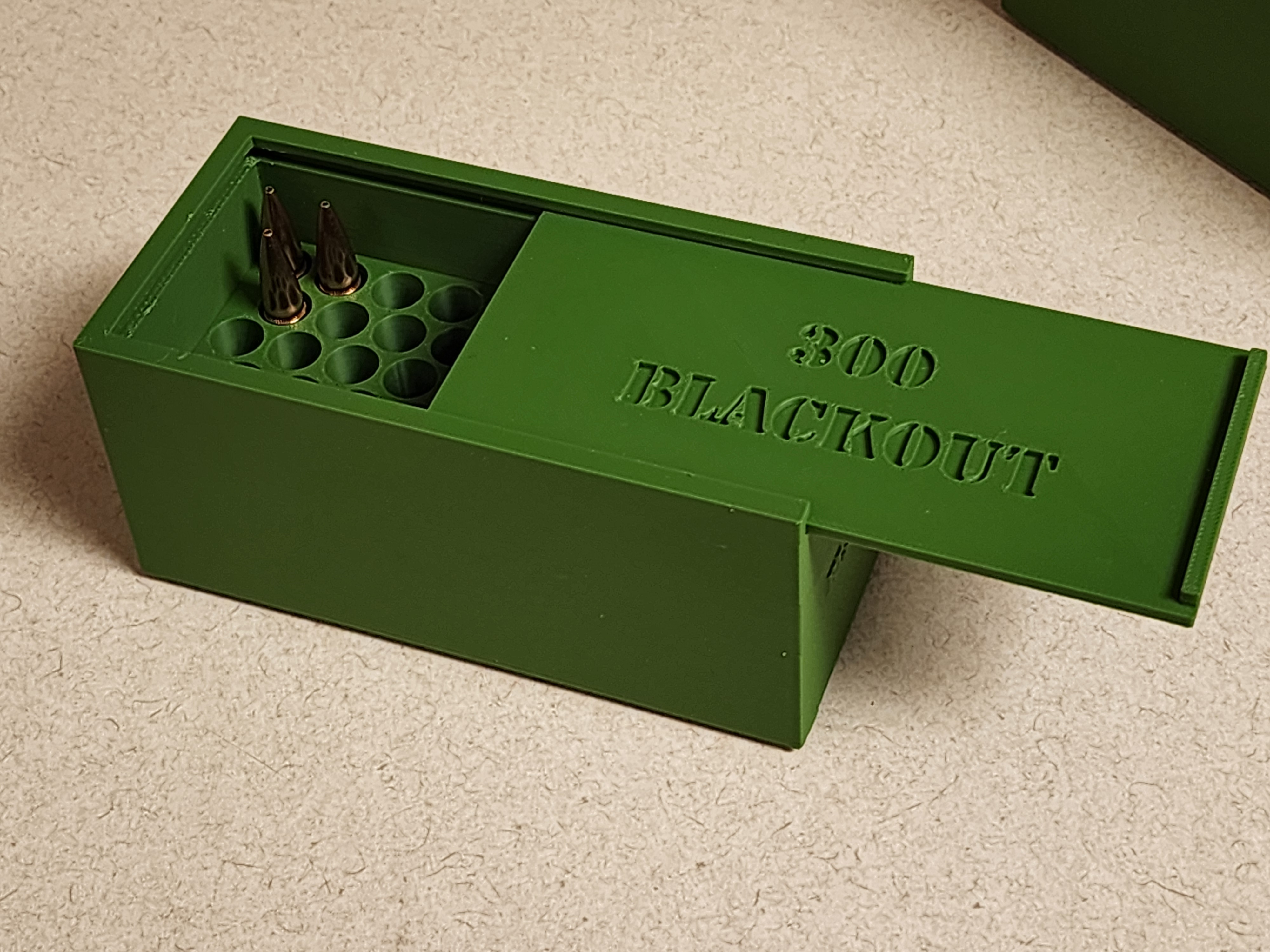
Rotate your supply by using the oldest rounds first, adhering to a strict first-in, first-out system. For factory new ammo stored under stable conditions, plan a full rotation every 12 to 18 months, even if the packaging remains unopened. This prevents lubricants from drying and case necks from developing microscopic stress fractures that can alter pressure. Check your lot numbers—if you have multiple boxes from different production dates, cycle through the earlier batch immediately. For defensive or precision rounds, replace your carry magazine’s contents every six months, as frequent chambering and movement accelerate primer degradation. **Seasonal temperature swings trigger the need for rotation**, so swap your stored supply before summer heat peaks and again after winter’s driest months.
Answering Common Questions About Immediate Use and Break-In
Immediate use of factory new ammo is generally safe; modern manufacturing tolerances mean cartridges are ready to fire as purchased. However, if your firearm has never fired that specific lot, a brief break-in of 20–50 rounds is wise to confirm reliable feeding, extraction, and consistent point-of-impact. You do not need to “season” new ammunition—unlike barrels, ammo doesn’t improve with age. The only real question is function: some tight-chambered pistols or match rifles may choke on new brass’s slight dimensional variance, so run a few mags or groups before trusting it for defense or competition.
If the first magazine has any failure, switch lots—don’t blame the gun until you’ve verified the ammo is the variable.
Clean your firearm after the initial session to remove copper fouling from fresh bullets, but avoid over-lubricating; factory ammo’s sealant and powder residue are already neutral to new parts.
Do Fresh Rounds Need a Fouling Shot Before They Group Well?
Yes, fresh rounds often benefit from a fouling shot before they group well, though it is not a rigid rule. A pristine, bone-dry barrel can cause the first few shots to impact erratically as the bullet encounters inconsistent friction. That initial shot deposits a thin layer of copper and carbon, which actually stabilizes the bore’s surface. Consequently, the second and third shots typically print tighter clusters because the barrel conditioning process has equalized the internal environment. For factory new ammo, firing one fouling round is a cheap, practical step to verify zero without wasting a full box on false first-shot fliers. If the barrel is exceptionally smooth or factory-polished, you may skip it, but it never hurts to confirm.
Fouling shots matter: one warm-up round conditions a clean barrel so fresh rounds group consistently and predictably.
Can You Mix Newly Made Cartridges With Reloaded or Surplus Ammo?
Mixing newly made cartridges with reloaded or surplus ammo in the same magazine or cylinder is a bad idea for immediate use. Factory-new rounds maintain consistent pressure and seating depth, while reloads can vary by thousandths of an inch, and surplus often uses harder primers or older propellants. This variance can shift your point of impact between shots, wreaking havoc on your zero. More critically, a hot surplus round followed by a mild new one can cause extraction issues or erratic cycling in semi-autos. For break-in, you want a clean baseline, so reserve your fresh factory ammo for accuracy testing. Mixing newly made cartridges with reloaded or surplus ammo risks inconsistent pressure spikes that can stress the action before it’s fully worn in.
Don’t mix new factory rounds with reloads or surplus in the same session—use each type separately to avoid pressure inconsistencies and unreliable performance.
What to Expect From First-Round Chronograph Readings and Recoil Feel
First-round chronograph readings from factory new ammo often run 20–50 fps slower than the box’s listed velocity, as fresh case necks and unseated bullets create slightly higher initial friction. Expect the first three shots to show wider extreme spreads—sometimes 40–70 fps—before settling into a tighter 10–15 fps window. 7.62×39 Ammo for Sale Recoil feel on the first round will be marginally snappier, with a sharper impulse, because the powder burn hasn’t stabilized inside the barrel’s fouling-free surface. After 10–15 rounds, both velocity and recoil normalize into a consistent, predictable pattern. For valid data, do not adjust your zero or judge accuracy until the barrel is fouled past this initial break-in velocity variance.
- Record the first five shots separately.
- Ignore the first round’s outliers for load development.
- Compare shot 6–10 averages to the published spec.